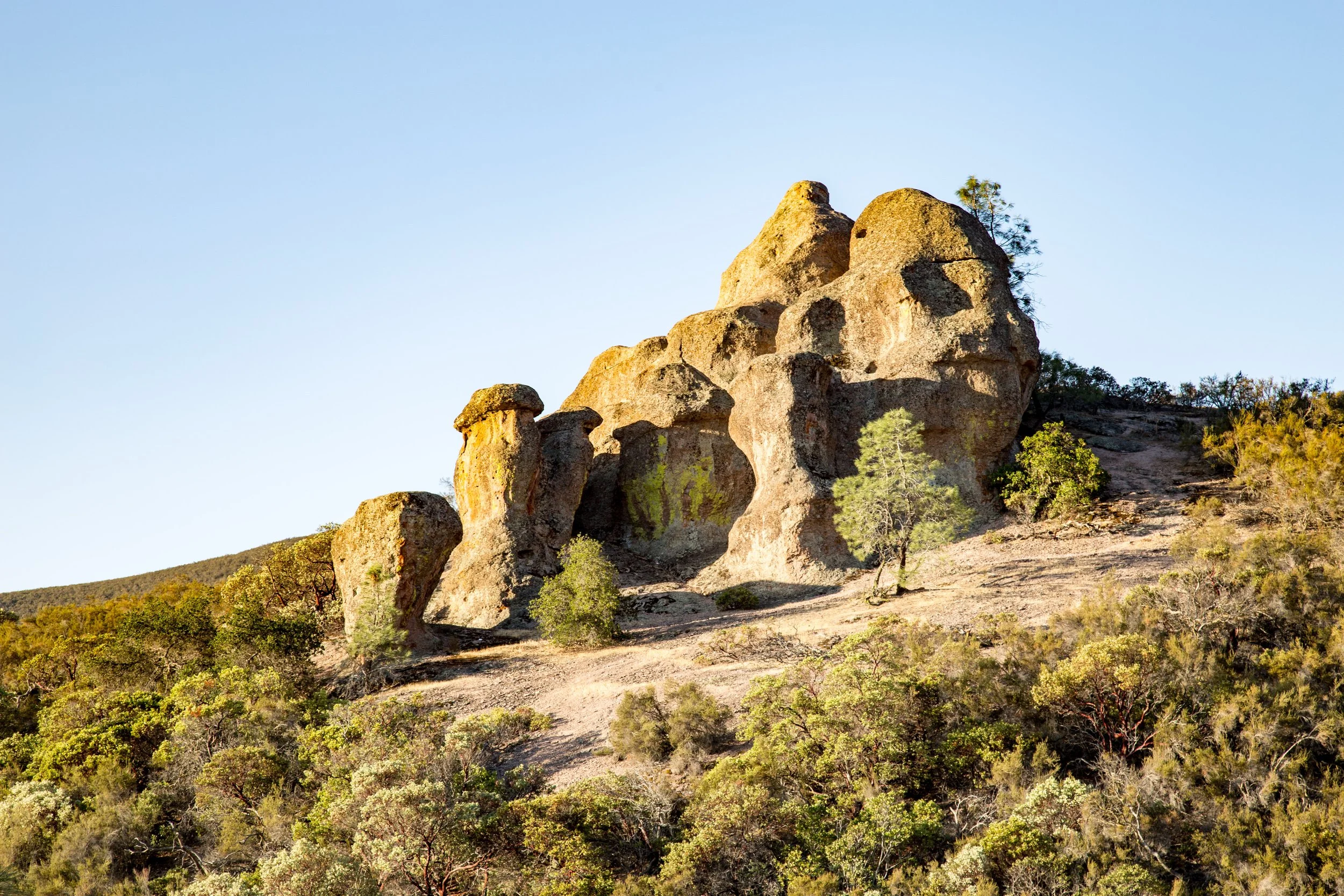
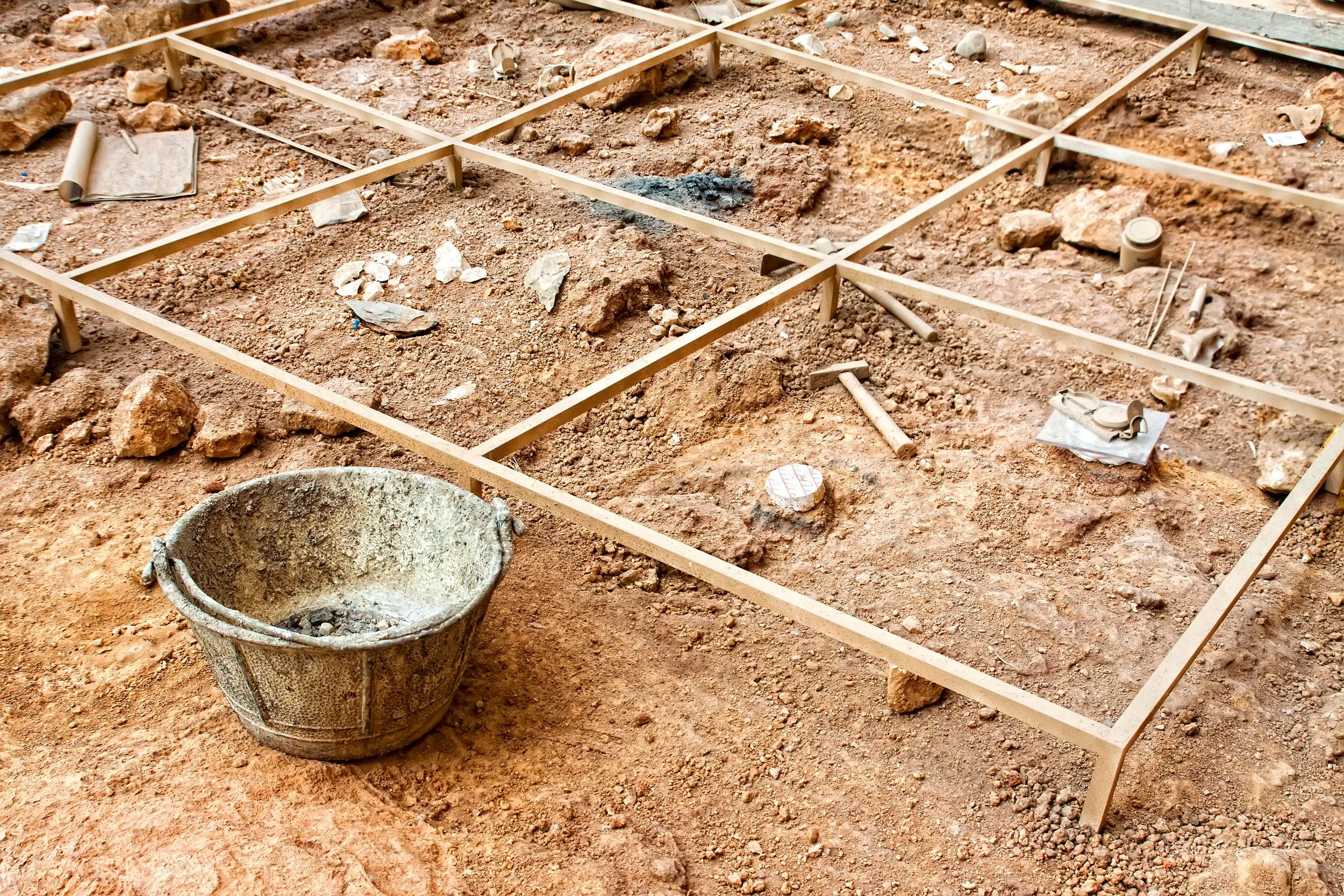
Since 1984, Muwekma Archaeological Services has protected the dignity of our ancestors and burial grounds, while preserving priceless artifacts through collaborative archaeology.
This work is a sacred calling.
In 1984, as part of a broader Ohlone revitalization effort, the Muwekma Ohlone Tribe established Ohlone Family Consulting Services (OFCS), a groundbreaking Native American cultural resource management firm.
This initiative empowered tribal members to directly oversee archaeological excavations, reclaim ancestral artifacts, and steward sacred Bay Area sites, reclaiming sovereignty over our heritage amid colonial dispossession.
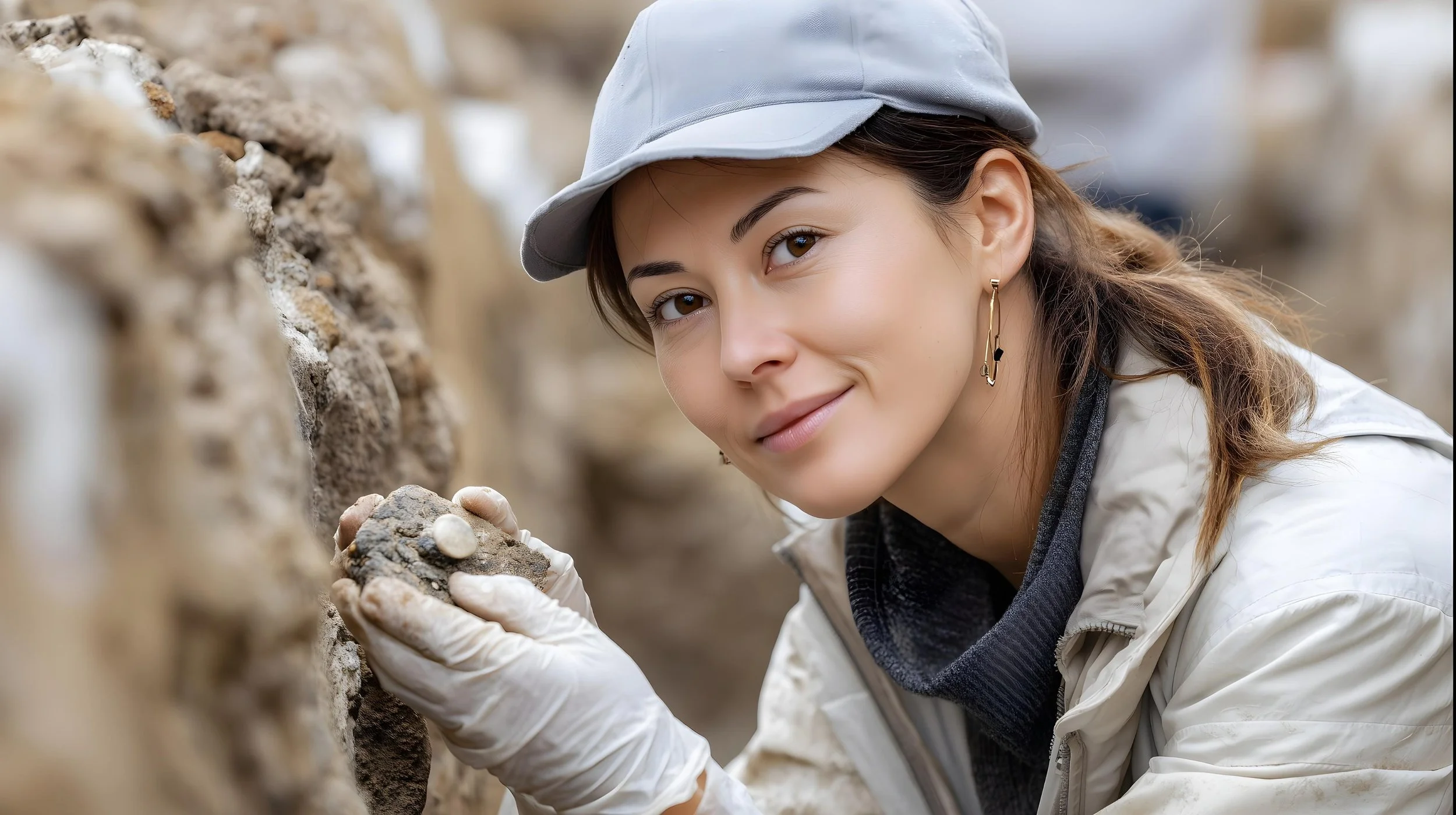
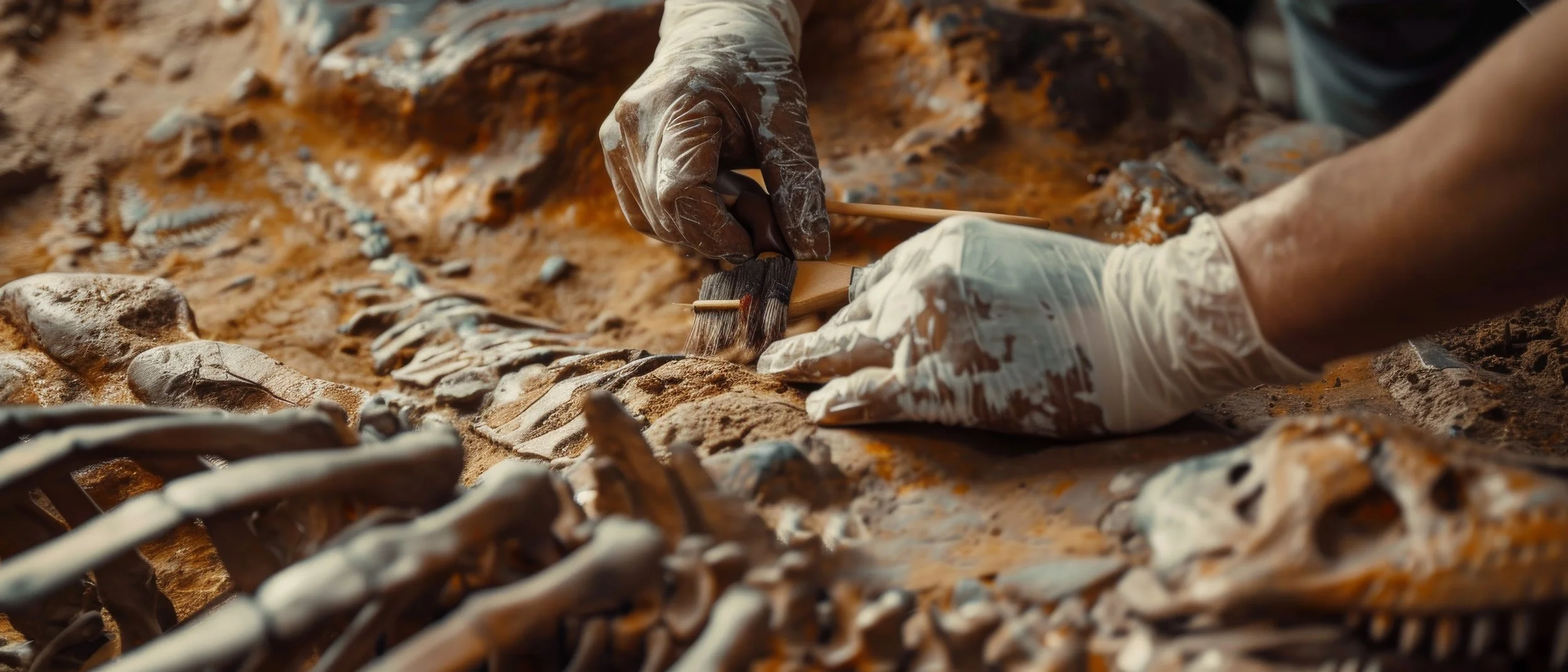
The gold standard in archaeological monitoring.
The Muwekma Ohlone Tribe, a contemporary Native American tribe descended from the American Indian lineages aboriginal to the San Francisco Bay region. Through it’s non-profit arm, the Tribe provides archaeological monitoring services through is Cultural Resource Management (CRM) service. Originally established in the mid-1980s as Ohlone Families Consulting Services (OFCS), this entity has evolved into a core component of the tribe's nonprofit arm, Muwekma Ohlone Tribe Inc. The CRM firm is focuses on stewarding ancestral homelands by involving tribal members— including elders and youth—in hands-on archaeological work to reclaim, protect, and interpret cultural heritage. This community-driven approach emphasizes reconnecting living descendants with their ancestors, producing co-authored reports, and naming sites in the Chocheñyo and Tamien languages to counter historical erasure.
These services are particularly vital in the San Francisco Bay Area, where urban development frequently disturbs ancestral sites, cemeteries, and villages dating back thousands of years (e.g., sites like CA-SCL-732, a Middle Period cemetery from around 2084 BCE).
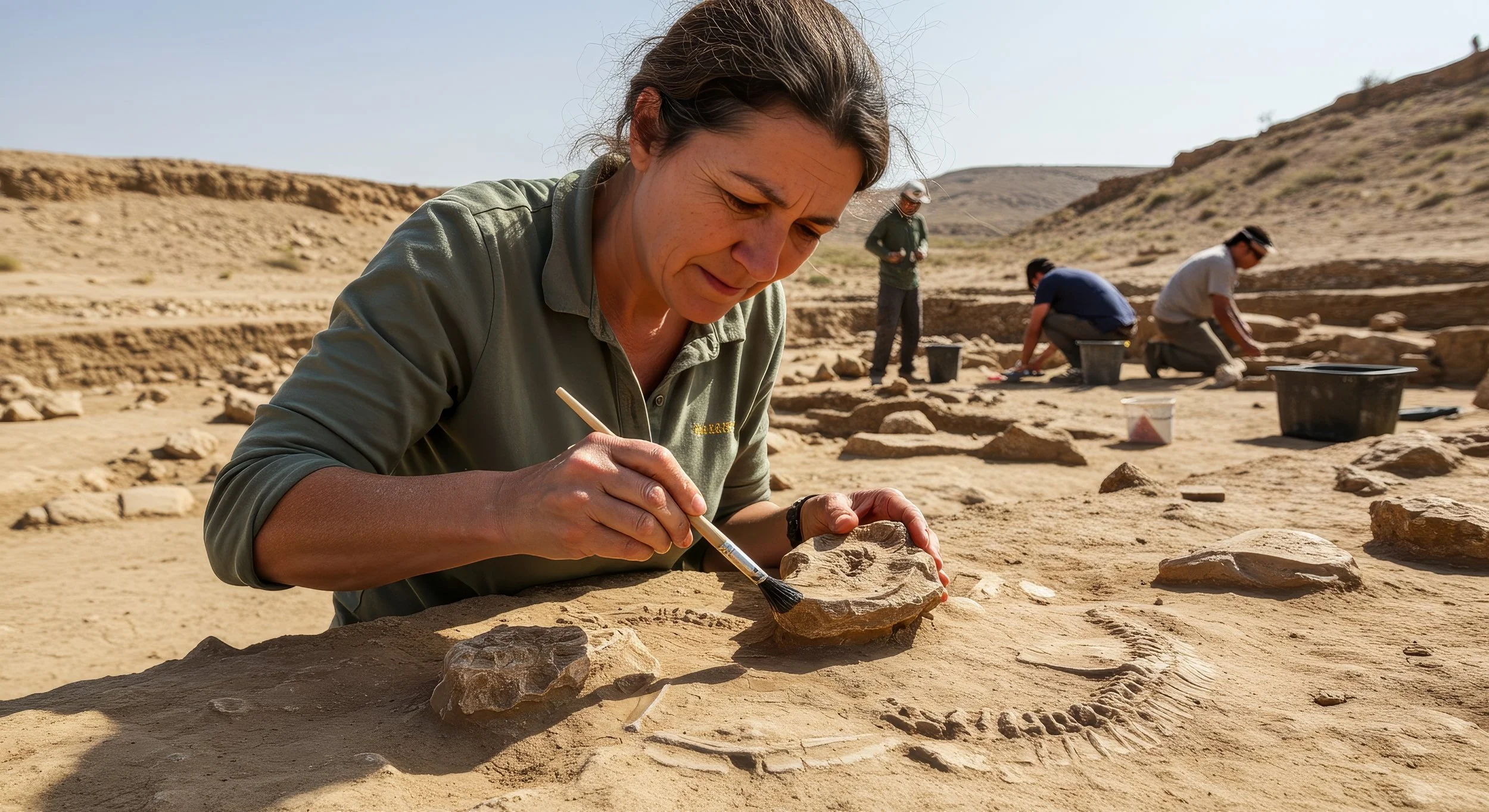
MOAS is where passionate commitment to the cause meets expert knowledge and precision execution.
Scope of Services
The tribe's CRM services encompass a comprehensive range of activities designed to mitigate impacts on cultural resources during construction, development, and land management projects. Key elements include:
Archaeological Monitoring (Native American Monitoring): Tribal monitors observe ground-disturbing activities (e.g., excavation for infrastructure like highways or flood control) to identify and protect potential cultural sites in real-time. This includes halting work if burials or artifacts are encountered, ensuring sensitive handling by tribal members.
Site Surveys and Assessments: Initial evaluations of project areas to map known or potential ancestral sites, using ethnohistoric data, oral traditions, and archaeological records.
Burial Recovery and Excavation: Phased data recovery programs for human remains and associated grave goods, often conducted in collaboration with academic partners like San Jose State University. This involves careful excavation, documentation, and temporary curation.
Laboratory Analysis: Osteological (skeletal) studies, artifact cataloging, AMS radiocarbon dating, and interdisciplinary analysis (e.g., integrating linguistics and cosmology) to interpret findings.
Reporting and Repatriation: Co-authored archaeological reports submitted to agencies, followed by repatriation ceremonies where remains are reburied on-site or in protected areas. Reports often weave in tribal narratives to educate the public and strengthen federal recognition efforts.
Consultation and Stewardship: Acting as the "Most Likely Descendant" (MLD) tribe, providing tribal consultation for projects and long-term site management, including native plant restoration and educational programs.
The scope is regionally focused on the tribe's ancestral territories (spanning San Francisco, San Mateo, Santa Clara, Alameda, Contra Costa, and parts of adjacent counties) but extends to collaborative research with universities and agencies. Projects emphasize ethical, community-led practices over commercial CRM, prioritizing cultural revitalization—e.g., training tribal members in fieldwork to foster intergenerational knowledge transfer.
Relevant Regulatory Frameworks
The tribe's services directly support compliance with federal, state, and local laws protecting cultural heritage, particularly in California where development pressures are high. As a non-federally recognized tribe designated as MLD by the Native American Heritage Commission (NAHC), they navigate these frameworks to assert stewardship rights:
CEQA (California Environmental Quality Act, Public Resources Code §21000 et seq.)
Requires environmental impact assessments for state/local projects, including cultural resources.
OFCS conducts monitoring and mitigation to fulfill CEQA's cultural resource provisions, ensuring project approvals include tribal input (e.g., burial recovery at sites like CA-SMA-267).
NAGPRA (Native American Graves Protection and Repatriation Act, 25 U.S.C. §3001 et seq.)
Mandates repatriation of Native American human remains and cultural items from federal lands/museums.
Guides recovery, analysis, and reburial of ancestors; the tribe uses NAGPRA for repatriations from institutions, integrating it with community ceremonies.
CalNAGPRA (California Native American Graves Protection and Repatriation Act, Health & Safety Code §8010 et seq.)
State-level extension of NAGPRA for non-federal lands.
Supports state-funded projects' compliance, including notifications and consultations for inadvertent discoveries during monitoring.
AB 52 (California Assembly Bill 52, Public Resources Code §21080.3.1)
Mandates formal tribal consultation for CEQA projects in areas with tribal cultural resources.
Positions the Muwekma as lead consultants, enabling early involvement in monitoring and mitigation planning.
NAHC Determinations (California Public Resources Code §5024.1)
Designates MLD tribes for oversight of human remains and sacred sites.
Authorizes the tribe's role in monitoring and recovery, bypassing non-Native firms for culturally sensitive work.
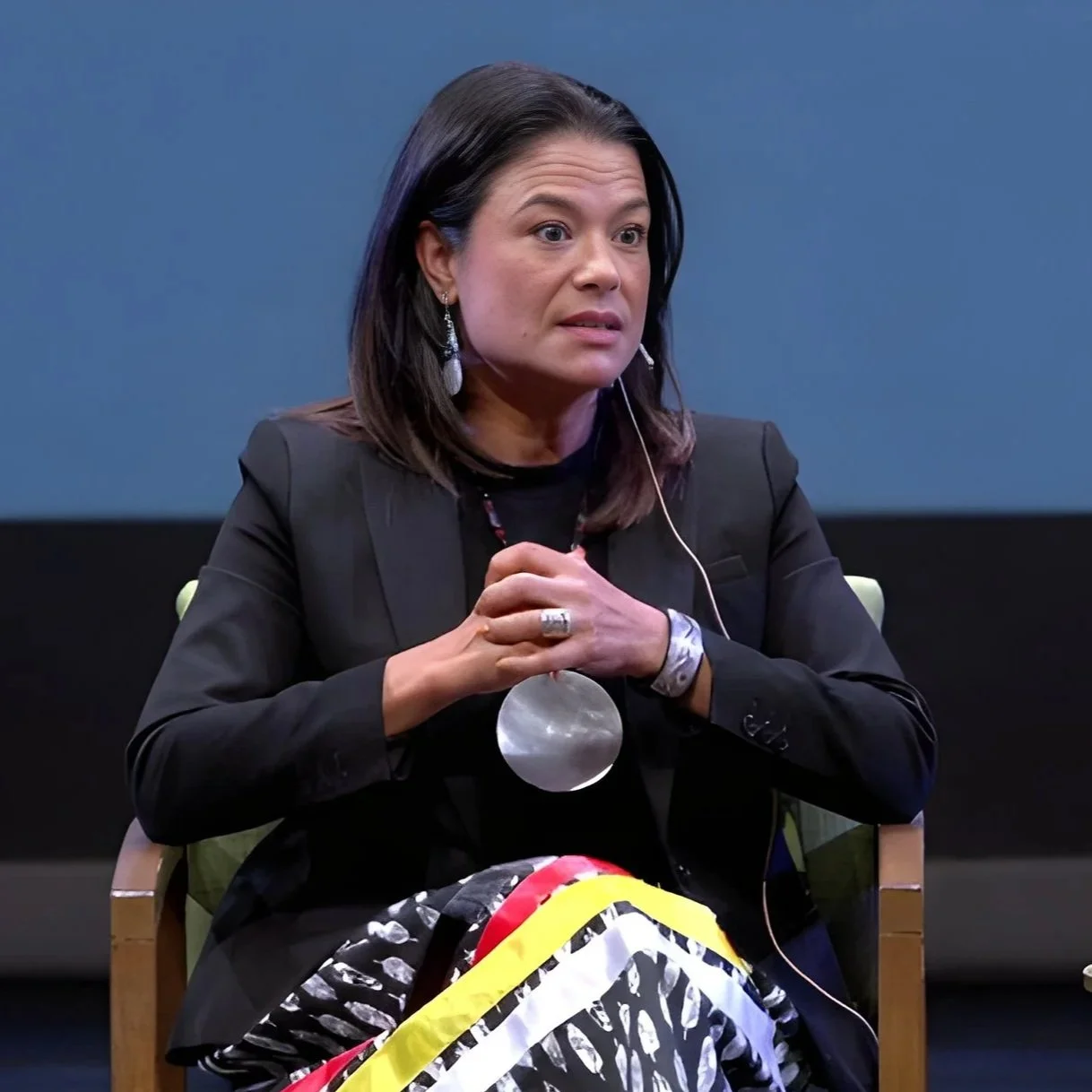
"Ancestral burial grounds are sacred; protecting them honors our past, upholds our obligations to the next generation, and ensures our future remains rooted in Ohlone soil."
Tribal Chairwoman Charlene Nijmeh
Meet Our Board President
Charlene Nijmeh
Charlene Nijmeh serves as Chairwoman of the Muwekma Ohlone Tribe and President of Muwekma Ohlone Tribe, Inc. From the Marine-Sanchez lineage, she descends from the first peoples of the San Francisco Bay Area, with ancestors tied to Missions Santa Clara, San Jose, and Dolores. She began tribal advocacy at age 8 during ancestral repatriation efforts in the 1980s, succeeding her mother Rosemary Cambra in 2018 after a 40-year tenure. A proud mother of five, environmentalist, businesswoman, and advocate, she leads efforts to restore federal recognition, preserve culture, and advance tribal sovereignty.
Our Executive Team
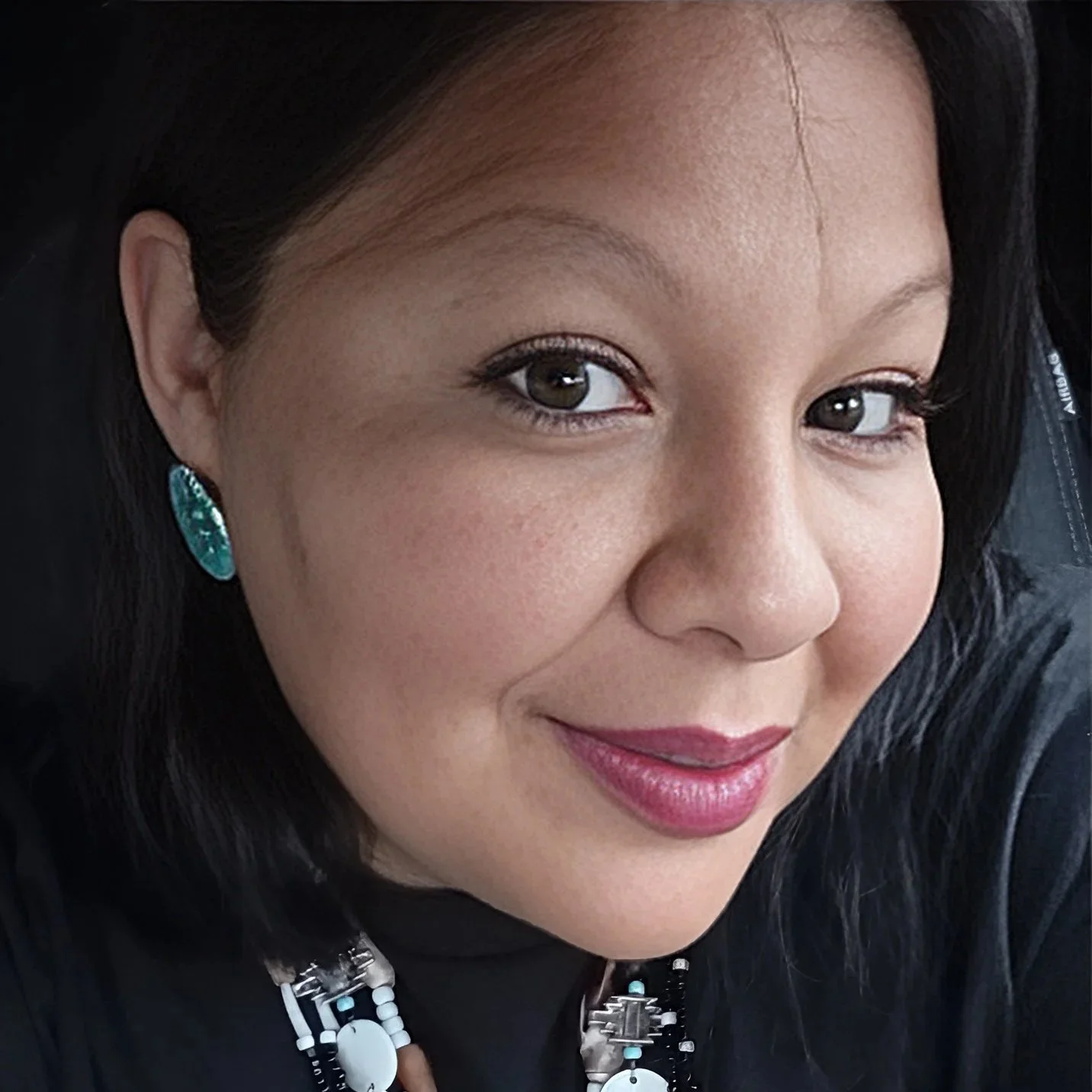
Bernadette Quiroz
Bernadette Quiroz, Executive Director of the Muwekma Archaeological Services. She is a passionate tribal member and Language Revitalization Chair for the Muwekma Ohlone Tribe. She spearheads Chochenyo language programs, cultural integrations, and youth programming to protect the Tribe’s cultural heritage. A devoted mother of three, she relishes beading, beach outings, and hearing ancestors' words revived.
Executive Director
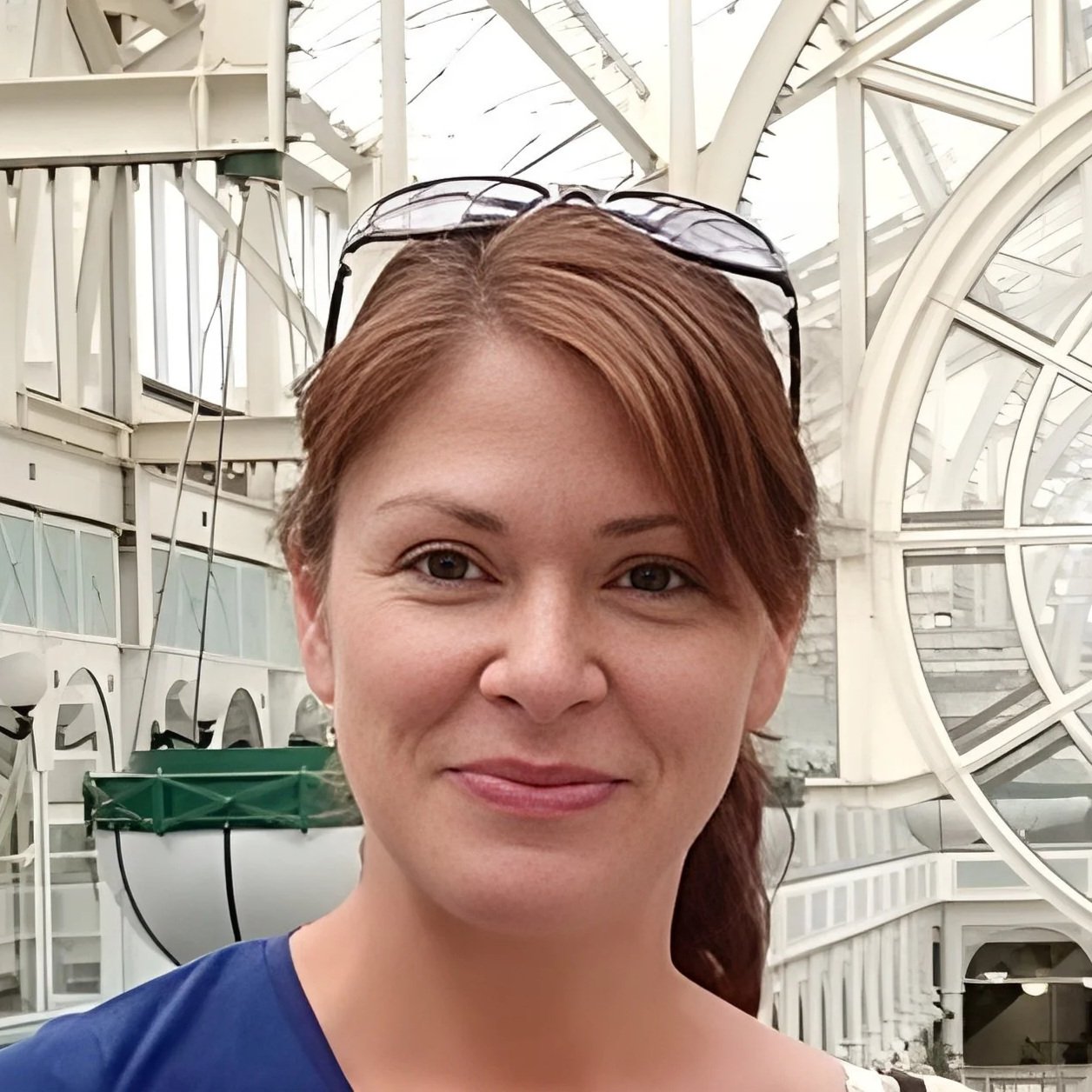
Marni McManus
Marni McManus, M.A., RPA, is Director of Operations and Tribal Bio-Archaeologist for the Muwekma Ohlone Tribe. With 12+ years in archaeology, she excels in field research and bioarchaeological analysis of ancestral remains, authoring a 2024 SFSU thesis on Ohlone skeletal data to affirm tribal sovereignty and heritage ties.
Director of Operations and Tribal Bio-Archaeologist
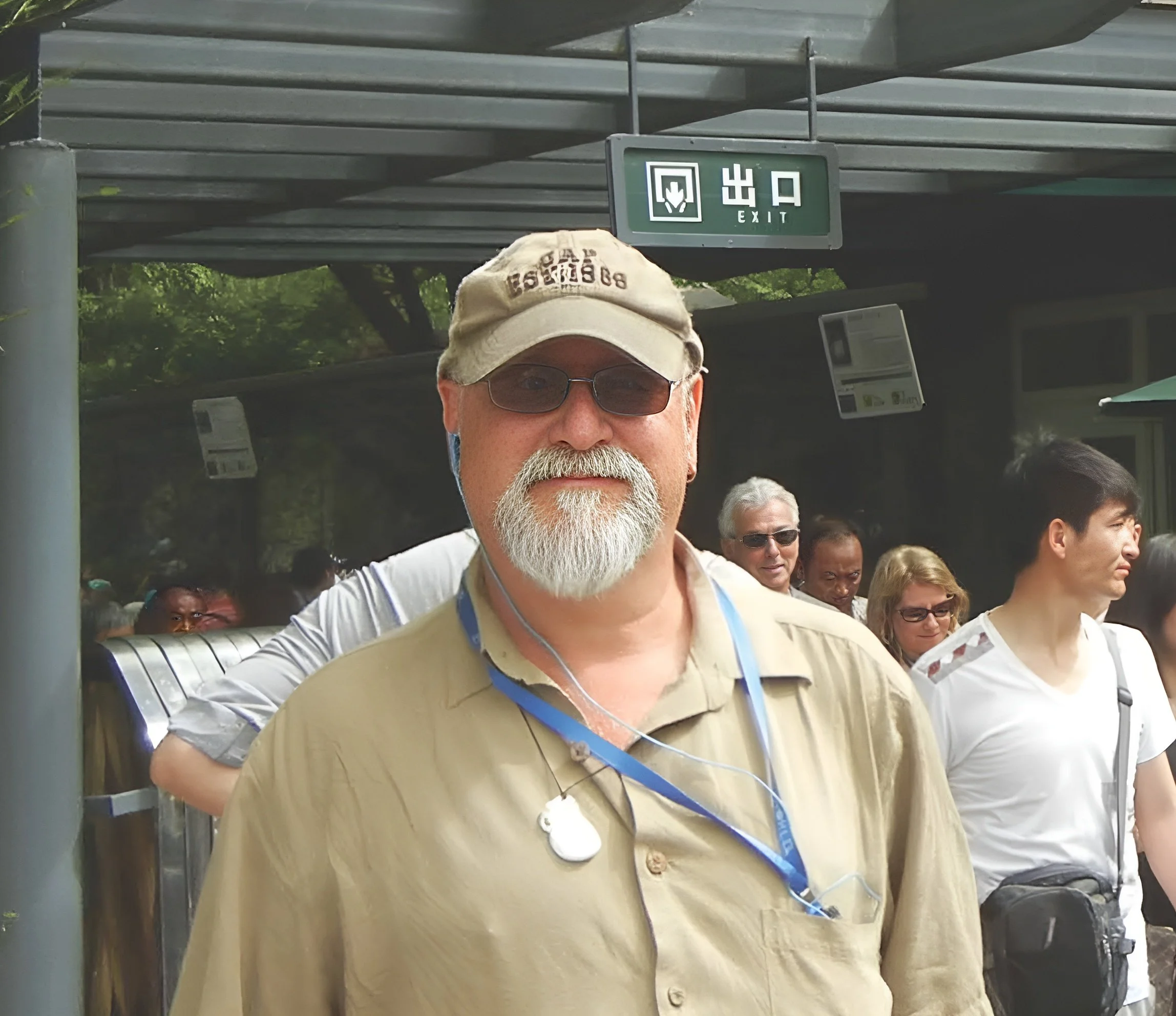
Tribal Archaeologist, Anthropologist, and Ethnohistorian
Alan Leventhal
Alan Leventhal, Tribal Ethnohistorian and Archaeologist for the Muwekma Ohlone Tribe since 1980, has devoted well over four decades to the Tribe’s struggle. A San Jose State University professor, he co-authors revitalization studies, facilitates repatriations, and liaises for exhibits, drawing on his American Museum of Natural History roots to affirm Ohlone sovereignty.
Meet Our Founders
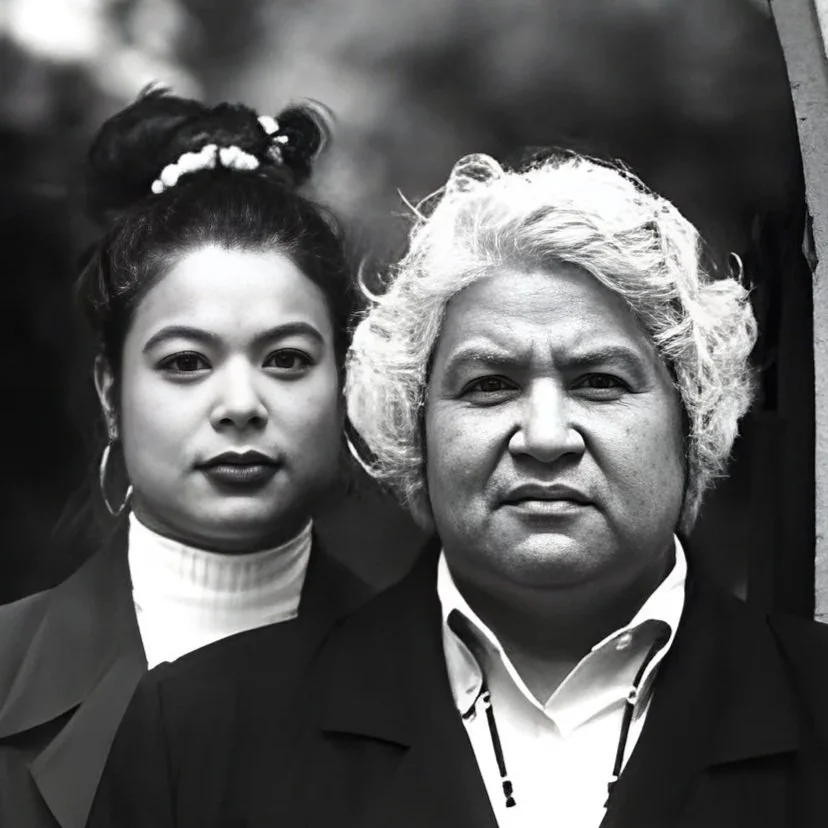
Rosemary Cambra, Chairwoman Emeritus
Rosemary Cambra was a fierce warrior and visionary leader of the Muwekma Ohlone Tribe, serving as elected Chairwoman from 1984 to 2018. Born in San Jose, she grew up amid the federal government’s attempted political erasure of her people following Spanish missions and U.S. policies that scattered lineages across the San Francisco Bay Area. From her modest Milpitas mobile home, Cambra took personal risks to protect the Tribe’s ancestors and to ensure the survival of her people.
Partnering with archaeologist Alan Leventhal, she co-founded Ohlone Family Consulting Services (OFCS) in the mid-1980s—California's first tribally owned cultural resource firm—empowering elders and youth to monitor developments and reclaim ancestors.
Cambra's legacy shines in safeguarding burial grounds. She spearheaded the 1989–1992 repatriation of 550 remains from Stanford University, predating NAGPRA's full enforcement, and led recoveries at sites like CA-SCL-287. Her designation on the Native American Heritage Commission's Most Likely Descendant List enabled tribal oversight of excavations. In 1996, she secured BIA acknowledgment of the tribe's prior federal status as the Verona Band of Alameda County. Fearlessly, she endured arrest and jail time in the 1990s protesting desecration at sacred cemeteries, even facing bankruptcy, the loss of her home, and the loss of her nursing license for protecting our ancestors.
Testifying before Congress in 2004, Cambra fought for recognition and justice, co-chairing national task forces. Handing leadership to daughter Charlene in 2018, her 40-year crusade revived Ohlone visibility, repatriated thousands of remains, and ensured cultural stewardship amid urban sprawl—proving resilience against extinction narratives.
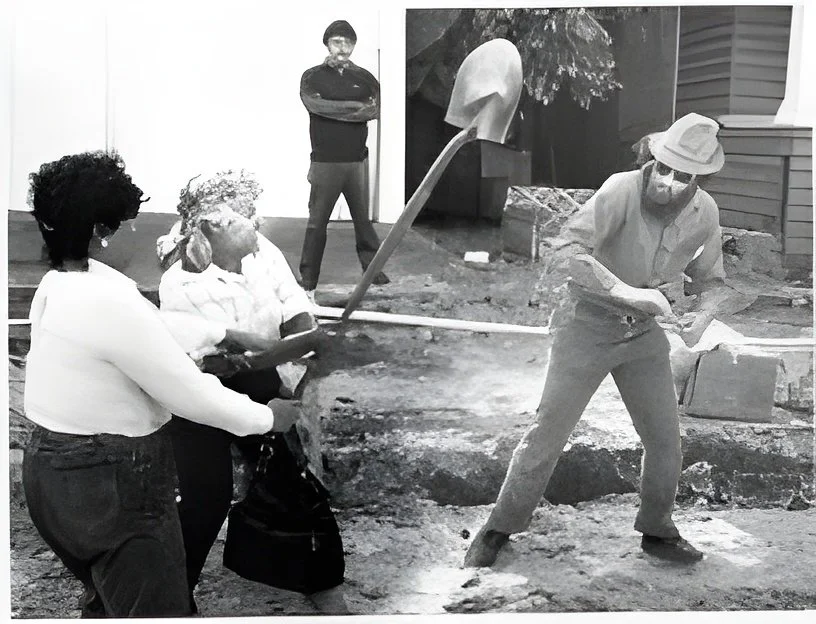
Alan Leventhal, Founding Archaeologist
Alan Leventhal is a pioneering archaeologist, anthropologist, and ethnohistorian whose career illuminates the enduring legacy of California's Indigenous peoples, especially the Muwekma Ohlone Tribe of the San Francisco Bay Area. Born in New York City, he earned his B.A. in Anthropology from City College of New York and had worked as state archaeologist with the Nevada Archaeological Survey at the University of Nevada, Reno. In 1978, Alan was hired by the Department of Anthropology at San Jose State University (SJSU) as the Anthropology Lab Director and taught various anthropology and Native American classes as an adjunct lecturer. After working in the Anthropology Department for nine years, he moved over to the Dean’s Office in the College of Social Sciences. He completed his Master's thesis on Bay Area shellmounds, analyzing mortuary complex at the site CA-ALA-329 which the Muwekma Tribe renamed Mánni Muwékma Kúksú Hóowok Yatiš Túnnešte-tka which means Place Where the People of the Kúksú (Bighead) Pendants are Buried Site. As one of founding faculty members of the Native American Students Organization in 1980, Alan is a veteran of the 500 Mile American Indian Spiritual Run(1980-1984). He continued to teach in the Anthropology department up until his retirement in 2019. Now an Emeritus Lecturer, he continues to work with the Anthropology Department faculty and students on various studies and Muwekma museum-related projects.
Leventhal's partnership with the Muwekma Ohlone began in 1980 with former Tribal Chairwoman Rosemary Cambra, leading to the mid-1980s founding of Ohlone Family Consulting Services (OFCS)—California's first tribally owned cultural resource management firm. As a founding Archaeologist, he collaborated with Cambra to involve tribal elders and youth in fieldwork on their ancestral heritage sites, merging science with Indigenous knowledge to safeguard and preserve their traditions and understanding of their past lifeways. Over 46 years as senior staff archaeologist and ethnohistorian, he traced genealogies via mission records and conducted tribal interviews, debunking Alfred Kroeber's 1925 claim of “Ohlone Extinction.” His collaborative work reveals legal histories like the tribe's 1906 federal recognition as the historic Verona Band, their attendance at Indian boarding school, and their military service history spanning from pre-World War I to the present.
With SJSU students, Leventhal has spearheaded ancient DNA genomic analyses, repatriations, and excavations at sites including at the 3rd Mission Santa Clara Neophyte Cemetery (1781–1818) and at several Sunol ancestral heritage cemeteries. A prolific author and collaboration with the Muwekma Tribal leadership on their documented 12,000-year Bay Area 12,000 precontact history, he had worked with the Congressionally Created (HR-2144) Advisory Council on California Indian Policy’s Recognition Task Force (1992-1997). Alan has also collaborated with the Amah-Mutsun Tribal Band of Mission San Juan Bautista and Ohlone-Costanoan/Esselen Nation from the Monterey Bay Area. Leventhal's community-led engagement helps fosters healing and visibility for Ohlone continuity.
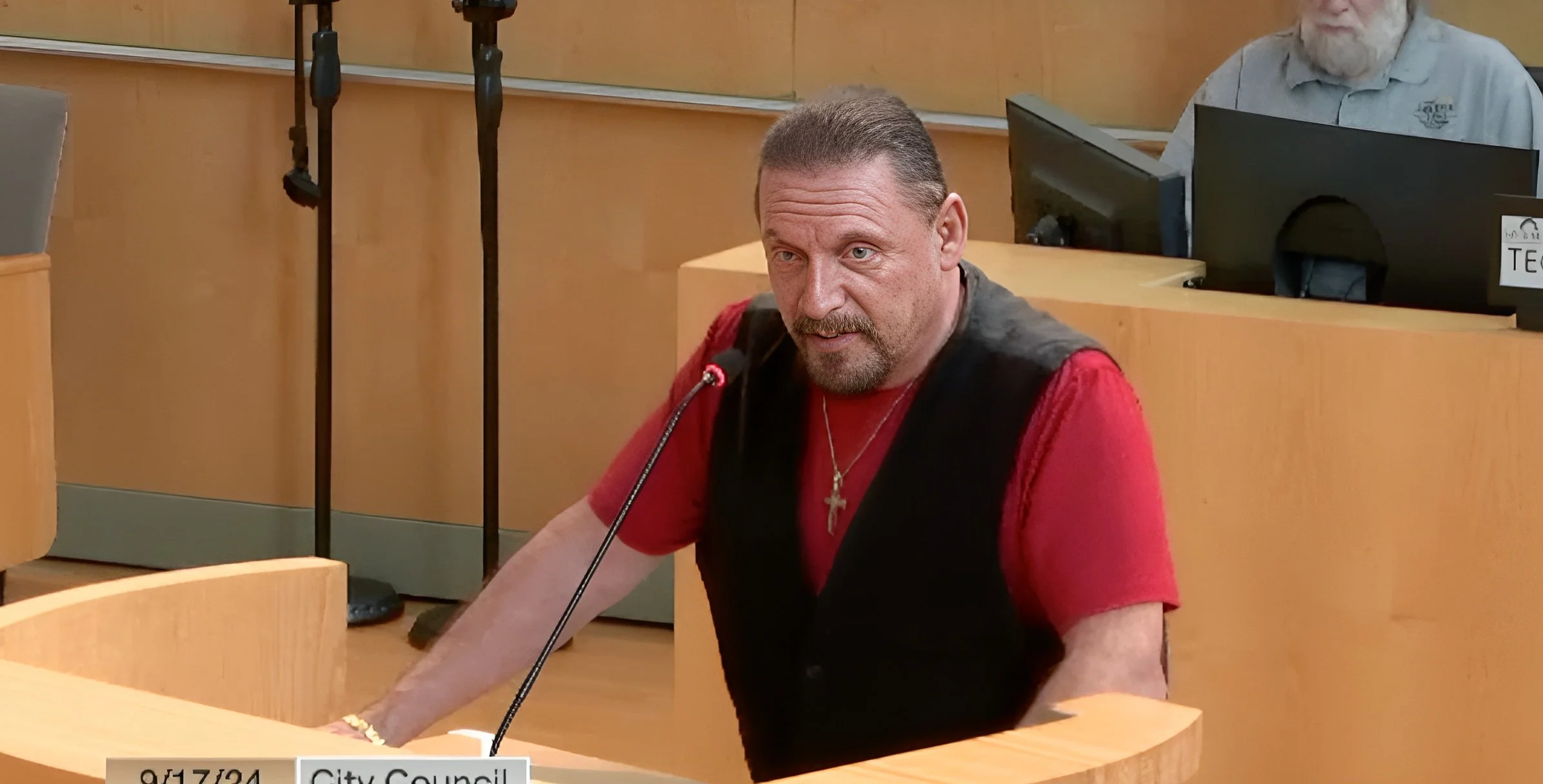
Richard Massiatt
Former Executive Directors
Richard Massiatt is a dedicated leader of the Muwekma Ohlone Tribe of the San Francisco Bay Area, serving as Tribal Councilman and recently retired Executive Director of Cultural Resource Services from 2023 to 2025. He advocates for the protection of ancestral sites, respectful repatriation of remains, and cultural preservation. With 37 years of leadership experience, he previously served as Senior Pastor of True Vine Christian Church. A passionate champion for Ohlone heritage and federal recognition, Richard resides in Manteca, California, continuing his commitment to tribal sovereignty and community.
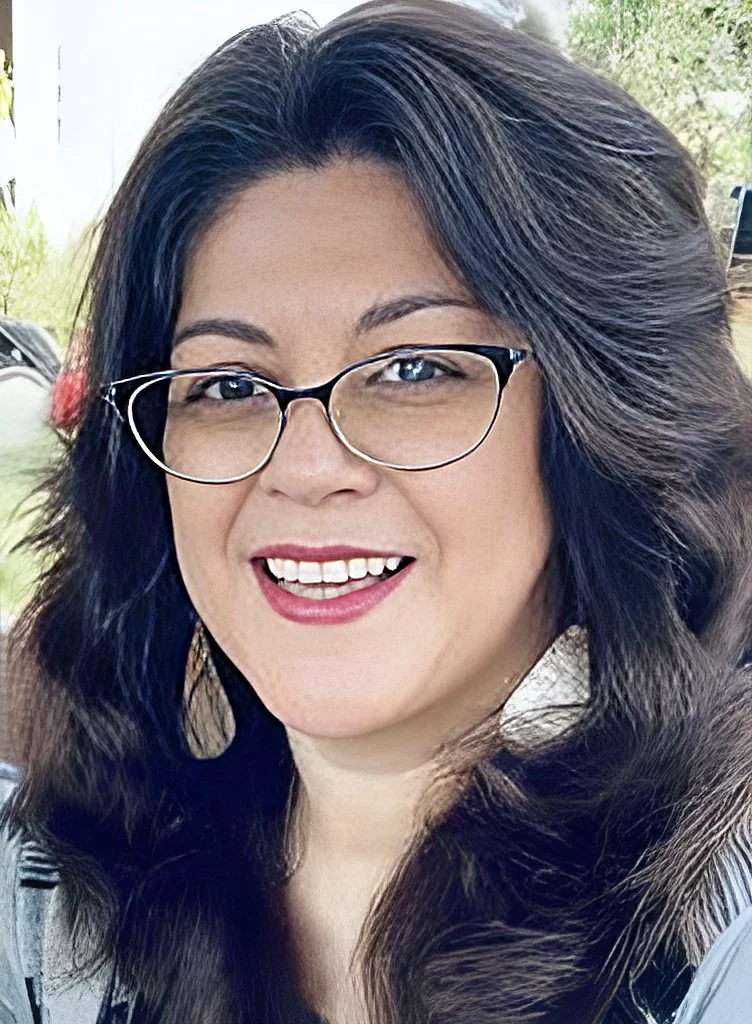
Monica Arellano
Former Executive Director Monica Arellano (from 2018-2023) once served as a Tribal Council Member and Vice Chair of the Muwekma Ohlone Tribe of the San Francisco Bay Area, where she managed Muwekma Ohlone Tribe, Inc., the tribe's cultural resources management firm. She is passionate about protecting ancestral sites, ensures respectful treatment of remains and artifacts, and co-authors archaeological reports. Dedicated to cultural revitalization, Monica has been at the center of the Tribe's Language revitalization efforts, helping to restoring the Chochenyo language. She contributes to museum displays and publications on the tribe's 10,000-year heritage.
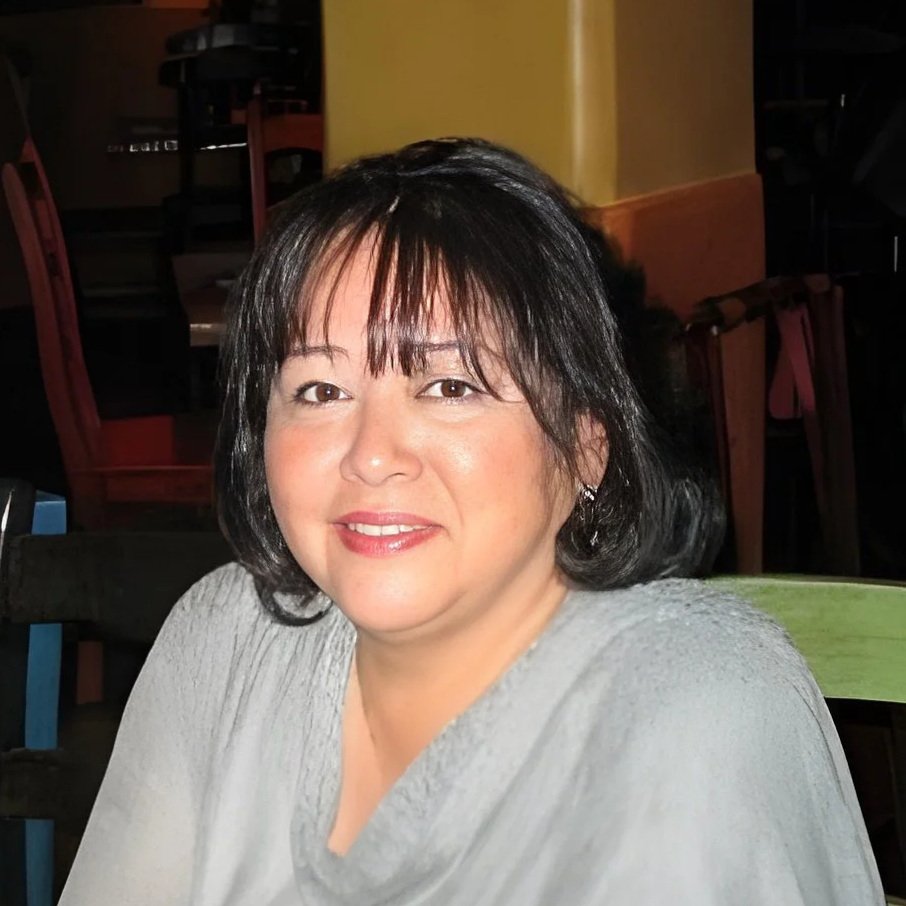
Norma Sanchez
Norma Sanchez was the Executive Director of Ohlone Families Consulting Services (OFCS), overseeing archaeological consulting and preservation efforts until 2018. She also served as Tribal Administrator of the Muwekma Ohlone Tribe of the San Francisco Bay under former Tribal Chairwoman Rosemary Cambra.
Contact Us
Interested in working together?
Fill out some info and we will be in touch shortly.
We can’t wait to hear from you!